3D Gingerbread House Laser Cut Decor for Winter Amp
As a graphic designer who has spent the last decade refining brand identities and packaging for boutique clients, I approach every new graphic design asset with a critical eye. It is not enough for an image to be cute; it must be functional, scalable, and capable of carrying a brand’s narrative. Recently, I evaluated the 3D Gingerbread House Laser Cut Decor for a seasonal campaign aimed at a handmade confectionery business. My goal was to determine if this asset could elevate their Winter Amp marketing visuals or if it would remain merely decorative clipart. The results were surprising, offering a depth that translates surprisingly well into flat digital media.
First Impressions: Texture Meets Digital Precision
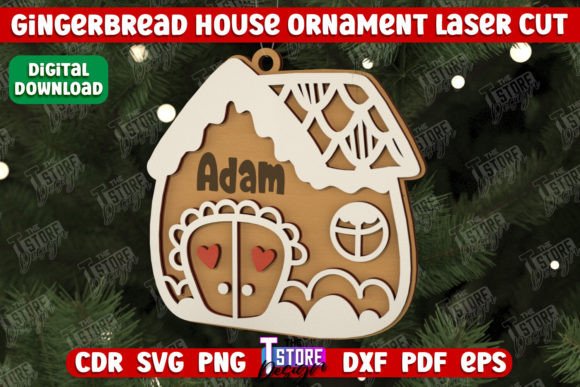
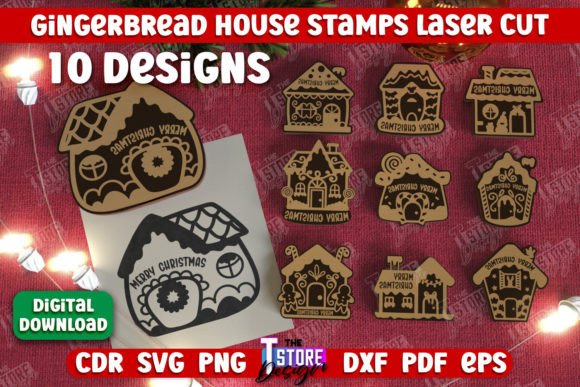
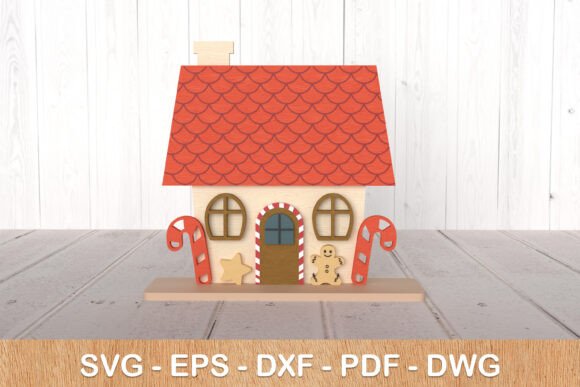
The immediate visual impact of the 3D Gingerbread House Laser Cut Decor is its tactile quality. Unlike standard flat illustrations, this design mimics the layered complexity of physical laser-cut wood or cardboard. For a designer, this presents a unique opportunity to inject warmth and craftsmanship into digital product listings and social media graphics. The shading and layering suggest a premium feel, which is crucial when trying to position a small business as high-end rather than mass-produced.
This asset fits naturally into projects that value heritage, warmth, and artisanal quality. It is not suited for sleek, tech-forward corporate branding, but it is perfect for handmade business owners looking to enhance their small business branding during the holiday season. The style bridges the gap between traditional holiday nostalgia and modern, clean vector aesthetics.
Performance Across Real-World Design Applications
In my review, I tested the asset across various mediums to see where it held up under professional scrutiny. Here is how the 3D Gingerbread House Laser Cut Decor performs in specific client scenarios:
- Packaging Design: This is where the asset shines. When placed on mockups for cookie boxes or gift tags, the layered look adds perceived value. It works exceptionally well for printable design elements that customers might cut out themselves using a Cricut machine.
- Social Media Graphics: For Instagram posts and Pinterest pins, the intricate details draw the eye. However, it requires careful placement to ensure it does not overwhelm the text. It serves as an excellent hero graphic for marketing visuals announcing holiday sales.
- Print-on-Demand and Merchandise: I tested the design on t-shirt mockups and tote bags. While detailed, the bold lines of the laser-cut style ensure it remains visible even when printed on fabric. It is a strong candidate for sublimation design projects where color vibrancy is key.
- Etsy Product Listings: For sellers offering Cricut project files, this asset demonstrates exactly what the final physical product will look like. It helps bridge the gap between digital file and physical reality, increasing buyer confidence.
Strategic Placement: Where It Works and Where It Fails
Understanding visual hierarchy is essential when using complex illustrations. The 3D Gingerbread House Laser Cut Decor is dense with detail. Therefore, it works best in large layout areas where it can breathe. Use it as a central focal point in editorial design spreads or as a dominant element in web design banners.
However, caution is required. In crowded layouts or small sizes, such as favicon icons or tiny footer logos, the intricate "cut" details may blur or become indistinguishable noise. Avoid using this asset in minimalist branding projects that rely on negative space. It also struggles against low-contrast backgrounds; if the background color is too similar to the gingerbread tones, the 3D effect is lost. Always ensure there is sufficient contrast to maintain the illusion of depth.
Impact on Brand Identity and Audience Engagement
From a psychological perspective, this asset triggers feelings of comfort and nostalgia. For brands relying on emotional appeal, this is a powerful tool. It enhances brand consistency for businesses that already use warm, earthy palettes. However, for brands that prioritize stark modernism or cold professionalism, this asset may create cognitive dissonance. It builds visual trust by suggesting effort and care, implying that the brand behind the design values quality craftsmanship.
When integrated into a design bundle, it can serve as the anchor for a entire seasonal collection. Pairing it with complementary elements like snowflakes or ribbon vectors can create a cohesive creative design system that feels curated rather than cobbled together.
Practical Designer Notes for Commercial Use
Before delivering any project to a client, I run a strict checklist. If you are incorporating the 3D Gingerbread House Laser Cut Decor into your workflow, consider these technical steps:
- Test in Black and White: Convert the asset to grayscale to check if the layering still reads clearly without color. This ensures it works for single-color printing methods often used in sticker design.
- Inspect File Formats: Verify if you are working with a PNG design with transparent backgrounds or an SVG design. SVGs are preferable for scaling without quality loss, especially for large format prints like posters.
- Font Pairing: This illustration pairs beautifully with serif fonts that evoke tradition, or handwritten fonts that mimic personal notes. Avoid pairing it with overly geometric sans-serif fonts unless you are aiming for a deliberate eclectic mix.
- Commercial License Verification: Always confirm the commercial license terms. Ensure the asset is cleared for use in print-on-demand products and digital resales if you are creating templates for platforms like Canva.
- Mockup Testing: Place the asset on real-world mockups early in the process. See how it looks on a kraft paper bag versus a glossy white box. The lighting in the 3D render should complement the material texture of the packaging.
In conclusion, the 3D Gingerbread House Laser Cut Decor is more than just festive clipart. It is a versatile illustration that, when used with strategic intent, can significantly elevate product mockup presentations and packaging design. For designers serving the creative marketplace, it offers a blend of traditional charm and digital precision that meets the high expectations of today’s consumers. By respecting its complexity and leveraging its tactile aesthetic, you can create marketing visuals that not only look good but feel authentic.