Bumbly: A Practical Review for Real Embroidery Projects
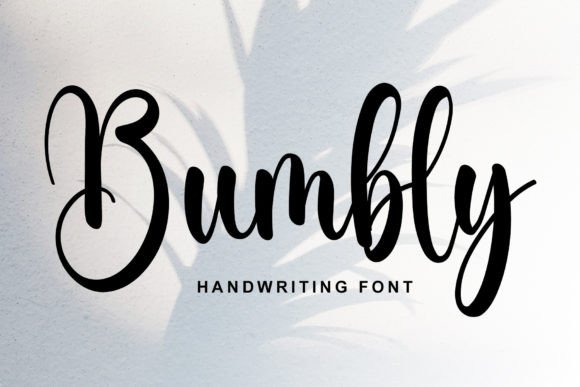
As a designer who has spent countless hours staring at digitized files and watching needles punch through fabric, I have learned that not every pretty picture translates into a durable, high-quality stitched product. When I first opened the file for Bumbly, part of the Script Amp collection, my initial reaction was one of cautious optimism. The visual flow is charming, with a playful bounce that suggests warmth and approachability. However, in the world of professional embroidery, aesthetics are only half the battle. The real question is always: how does it stitch out on actual goods that customers will wear, wash, and love?
First Impressions and Visual Personality
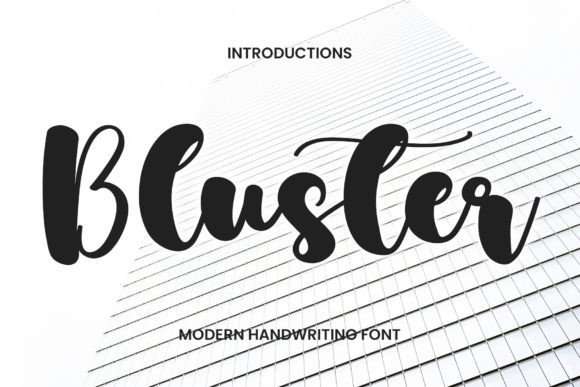
The mood of Bumbly is distinctly friendly. It lacks the rigid formality of traditional serif fonts or the sharp edges of modern geometric scripts. Instead, it offers a rounded, organic feel that immediately softens the surface it occupies. For embroidery designers and small business owners, this visual personality is a powerful tool. It signals comfort, care, and handmade quality without trying too hard.
When evaluating the layout and detail level, I noticed that the connections between letters are fluid but distinct. This is crucial for machine embroidery design because overly complex joins can lead to thread breaks or messy pull compensation issues. Bumbly seems to strike a balance where the script remains legible even when scaled down, provided you respect the minimum size limits recommended by the digitizer. The theme feels versatile enough for both whimsical baby items and relaxed adult apparel, making it a strong candidate for diverse craft business inventories.
Real-World Application: The Custom Tote Bag Test
To truly understand the value of an embroidery file, you must visualize it in a specific context. I imagined using Bumbly for a custom embroidered tote bag project—a staple for many Etsy sellers and boutique brands. Tote bags often use canvas or heavy cotton, which provides a stable base for stitching. In this scenario, Bumbly’s slightly bouncy baseline adds a dynamic energy to the otherwise flat surface of the bag.
If I were producing this for a client, I would likely pair Bumbly with a simple icon or a minimal border to frame the text. Because the script has a handwritten feel, it pairs beautifully with rustic or eco-friendly branding. Imagine a local coffee shop ordering branded merchandise; Bumbly on a natural-colored canvas tote creates an instant connection with the consumer. It feels personal, not mass-produced. This kind of emotional resonance is what drives buyer engagement and justifies a higher price point for your handmade product.
Performance on Apparel and Textiles
Moving beyond accessories, let’s consider sweatshirt embroidery. This is a high-demand category for holiday gifts and winter collections. When applying Bumbly to a fleece or French terry fabric, the stitch density becomes a critical factor. If the design relies heavily on dense fill stitch areas, it can cause the fabric to pucker or become stiff. From my review of the visual structure, Bumbly appears to utilize a mix of satin stitch for outlines and potentially lighter fill or running stitch elements for interior details. This is ideal for textured fabrics because it allows the material to breathe and maintain its drape.
For baby embroidery, such as onesies or burp cloths, softness is paramount. Parents are wary of scratchy backing or thick threads. Bumbly’s open letterforms suggest that it won’t create a heavy, plastic-like patch on delicate cotton knits. However, this is where your choice of stabilizer matters immensely. A soft cut-away stabilizer would be essential to support the stitches without irritating sensitive skin. The design’s gentle curves make it perfect for nursery decor or personalized gifts, where a harsh or angular font might feel out of place.
Navigating Technical Challenges
While Bumbly is visually appealing, there are scenarios where you must proceed with caution. Any script design with fine tails or intricate loops can be problematic on stretchy fabrics like jersey t-shirts if not properly stabilized. The "bumbly" nature of the font means there are varying thicknesses in the strokes. On dark fabric, you need to ensure your underlay stitches are sufficient to prevent the garment color from peeking through the lighter thread colors.
Additionally, consider the hoop size. If you are working with a small 4x4 inch hoop for an embroidered patch or a cap front, you must verify that the smallest details of Bumbly remain clear. Tiny lettering or tight corners can turn into blobs of thread if the stitch count is too high for the scale. Always test the design on scrap fabric first. This simple step saves time, money, and reputation. Check the stitch density and inspect small details after washing the test piece to ensure no unraveling occurs.
Enhancing Product Value and Brand Consistency
For digital product sellers and creative entrepreneurs, the consistency of your design assets is key to building trust. Bumbly fits seamlessly into a brand identity that values authenticity and warmth. When used in printable mockups or digital embroidery file previews, it stands out against sterile, corporate-style typography. It tells a story of craftsmanship.
Using this design in commercial embroidery projects requires attention to thread colors. High-contrast combinations, such as white thread on navy blue, will highlight the fluidity of the script. Conversely, tonal stitching, like beige on cream, creates a subtle, sophisticated look suitable for high-end boutique branding. The versatility of Bumbly allows it to adapt to these different market positions, increasing its utility for small shop products.
Practical Notes for the Professional Designer
Before launching Bumbly into your production line, keep these practical tips in mind:
- Test on multiple fabrics: See how the satin stitch behaves on woven versus knit materials.
- Check thread contrast: Ensure the design is legible on both light and dark backgrounds.
- Verify licensing: Confirm whether the license allows for selling finished physical items or if it is restricted to personal use. This is vital for Etsy sellers and commercial users.
- Optimize stabilizer choice: Match the stabilizer weight to the fabric texture to prevent puckering.
- Review stitch path: Look for unnecessary jumps or trims that could increase production time.
In conclusion, Bumbly is more than just a decorative element; it is a functional design asset that, when used correctly, elevates the perceived value of your finished product. It bridges the gap between playful charm and professional execution. Whether you are creating a holiday embroidery piece for a family member or scaling up production for your small business, this design offers the reliability and aesthetic appeal needed to succeed in the competitive handmade market. Just remember to respect the technical limitations of your machine and materials, and Bumbly will serve as a dependable partner in your creative journey.