Review: Watering Can Earring Charm STL File for Embroidery
As a designer who has spent countless hours digitizing and testing files for real-world application, I approach every new machine embroidery design with a critical eye. It is not enough for a graphic to look cute on a screen; it must translate flawlessly into thread, withstand the tension of the hoop, and hold up after washing. Recently, I evaluated the Watering Can Earring Charm STL File - Digital to determine its viability beyond its intended 3D printing use, specifically exploring how its aesthetic and structural elements can inform or adapt to high-quality embroidery projects.
First Impressions and Visual Personality
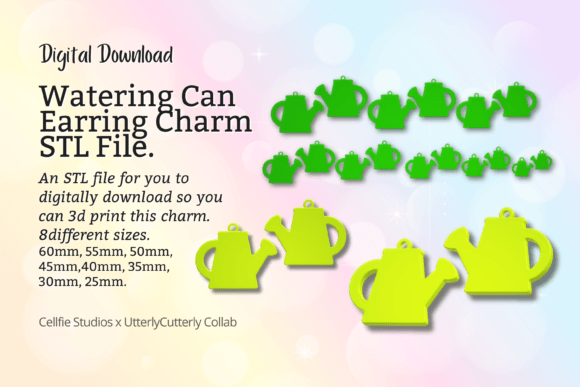
The immediate appeal of this design lies in its whimsical, garden-inspired motif. The watering can shape suggests nurturing, growth, and domestic comfort, making it an ideal candidate for personalized gift items or boutique home decor. Visually, the silhouette is clean and recognizable, which is crucial when scaling down for small applications like embroidered patch work or pocket details on custom apparel. The charm’s inherent simplicity means it avoids the clutter that often plagues complex digital assets, allowing the texture of the thread to take center stage.
When considering this as a basis for embroidery, the mood is distinctly artisanal. It fits seamlessly into the current trend of cottagecore and slow-living aesthetics. For an Etsy seller or craft business owner, this visual language communicates care and handmade quality. However, because this file originates as an STL (stereolithography) format typically used for 3D printing, translating it into a stitch file requires careful interpretation of depth and contour. The design does not rely on intricate internal detailing, which is a positive sign for stitch clarity.
Real-World Application Scenarios
I envisioned this motif applied to a heavy-weight canvas tote bag design. The sturdy nature of canvas supports the weight of a dense fill, allowing the watering can to stand out without distorting the fabric. In this context, using a combination of satin stitch for the outline and a light fill stitch for the body would create a tactile, premium feel. Customers interacting with such a product would appreciate the raised texture, which adds perceived value to the finished product.
Another practical application is sweatshirt embroidery. Placing a smaller version of this design on the left chest area of a crewneck creates a subtle, branded look suitable for a small shop product or gardening club merchandise. Here, the design acts as a logo rather than a centerpiece. For baby embroidery, the gentle theme works well on muslin swaddles or bibs, provided the stitch density is reduced to maintain softness against sensitive skin. The motif also translates beautifully to holiday embroidery projects, particularly for spring-themed kitchen towels or aprons, where the watering can symbolizes renewal and seasonal change.
Technical Considerations for Stitchers
While the aesthetic is strong, technical execution is where many designs fail. Since the original file is categorized under Tools for digital creation, we must assume it lacks native embroidery data. Therefore, if you are digitizing this yourself or commissioning it, pay close attention to stitch density. A watering can shape with a wide body can become bulky if over-filled. I recommend using a lighter density setting or incorporating negative space to prevent the fabric from puckering, especially on thinner materials.
Fabric choice plays a pivotal role. On textured fabrics like linen or terry cloth, fine details may get lost. In such cases, simplifying the design to a bold outline using a running stitch or a wider satin column ensures visibility. Conversely, on smooth cotton or polyester blends, you can afford more detail. Always test the design on scrap fabric first. This step is non-negotiable for professional results. Check how the thread colors interact with the background; a pastel thread on a dark fabric may require an underlay stitch to prevent show-through, while bright threads on white fabric need precise tension settings to avoid looping.
Navigating Challenges and Limitations
There are specific scenarios where this design requires caution. Small hoop sizes limit the scale, potentially making the spout or handle too delicate to stitch reliably. If the design includes tiny lettering or intricate spouts, these areas are prone to thread breaks or poor coverage. For curved surfaces like caps or hats, the rigid structure of a watering can shape might distort if not properly stabilized. Using a cut-away stabilizer is essential here to support the stitches during wear and washing.
Additionally, consider the end-use of the item. Products that undergo frequent washing, such as tea towels or baby clothes, demand secure anchoring of all stitch elements. Avoid long jumps between sections of the design, as these can snag easily. If you are creating a printable mockup for your online store, ensure the digital representation accurately reflects the stitch texture. Misleading previews can lead to customer dissatisfaction and returns, damaging your brand consistency.
Enhancing Brand Value and Customer Trust
Integrating well-executed designs like this into your design assets library can significantly boost buyer engagement. A cohesive collection of garden-themed items establishes niche authority. When customers see consistent quality across different products—whether it’s a pillow cover, a tote, or a patch—they develop trust in your craftsmanship. This trust translates to higher conversion rates and repeat business.
For commercial embroidery projects, versatility is key. This design can be adapted for various colorways to match seasonal trends. Spring might call for greens and blues, while autumn could feature earthy browns and rusts. Offering customization options allows clients to feel involved in the creative process, enhancing the perceived value of the handmade product.
Final Designer Notes
Before committing to production, verify the licensing terms associated with any converted or derived embroidery file. Ensure you have the right to sell finished items or digital products if you plan to offer this as a digital embroidery file to other makers. Confirm compatibility with your specific machine software, as conversion from STL to embroidery formats can sometimes introduce artifacts that need manual cleanup.
In summary, the Watering Can Earring Charm STL File - Digital offers a charming, versatile foundation for embroidery when approached with technical diligence. By respecting the limitations of thread and fabric, and by prioritizing stitch clarity over unnecessary complexity, you can transform this digital asset into a standout element of your craft business. Whether for a custom apparel line or a set of unique gifts, this design holds promise for those willing to invest time in proper testing and execution.