Snowman Embroidery Designs: A Designer’s Practical Review
As a designer who has spent countless hours staring at digitized patterns and watching needles dance across fabric, I have learned that not every cute graphic translates well into thread. When I first pulled up Snowman Embroidery Designs, my initial reaction was one of cautious optimism. The visual preview looked charming, but in our line of work, charm does not equal stitchability. I needed to know if this pattern would hold up under the tension of a machine, how it would behave on different textiles, and whether it would add genuine value to a client’s custom order or my own holiday inventory.
First Impressions and Visual Personality
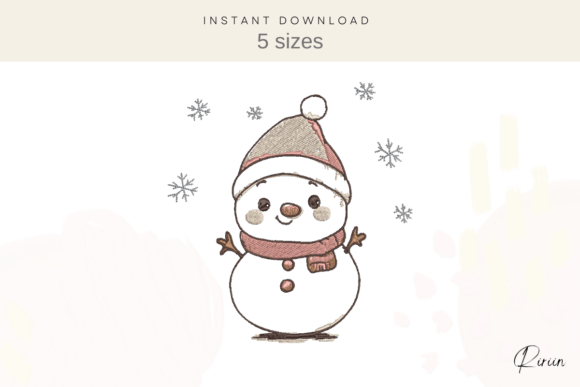
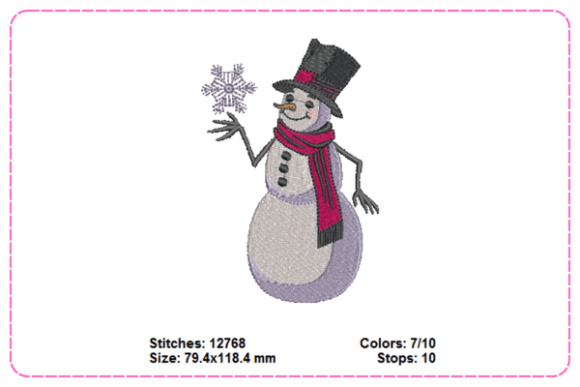
The immediate mood these designs evoke is nostalgic warmth. They are not overly complex, which is often a blessing in disguise for commercial embroidery. The layout feels balanced, with a clear focal point that draws the eye without overwhelming the surrounding negative space. For a Christmas themed project, this is crucial. You want the design to feel festive but not cluttered. The shape language is soft and rounded, avoiding sharp angles that can cause thread breaks or puckering on curved surfaces like caps or sleeves.
What stands out most is the potential versatility. While many holiday motifs are strictly seasonal, a well-executed snowman can bridge the gap between late autumn decor and winter festivities. This makes Snowman Embroidery Designs a smart addition to your digital library if you are looking to maximize the lifespan of your design assets.
Real-World Application: The Tote Bag Test
To truly evaluate a machine embroidery design, you have to imagine it on a physical product. I recently worked on a batch of custom canvas tote bags for a local boutique. The client wanted something cheerful but sophisticated. I selected one of the simpler snowman outlines from this collection to test. On a sturdy cotton canvas, the design performed beautifully. The satin stitch borders held their shape, and the fill stitch areas provided enough coverage to look professional without becoming a dense brick of thread that would stiffen the bag.
This experience highlighted why these designs work well for handmade products. They are scalable. Whether you are creating a small embroidered patch for a jacket lapel or a larger centerpiece for a pillow cover, the integrity of the design remains intact. For Etsy sellers and small shop owners, this scalability means you can offer multiple product variations from a single digital embroidery file, increasing your profit margins without extra digitizing costs.
Fabric Considerations and Stitch Behavior
However, no design is universal. When working with Snowman Embroidery Designs, you must pay attention to fabric texture and weight. On thin or stretchy fabrics, such as jersey knits for baby embroidery or lightweight t-shirts, the density of the fill stitches can cause pulling. I recommend using a high-quality cut-away stabilizer for these applications to ensure the finished product retains its shape after washing.
Conversely, on textured fabrics like wool coats or thick towels, the finer details might get lost. In these cases, I suggest opting for the versions of the design that rely more on bold outlines and less on intricate internal detailing. This ensures that the snowman remains recognizable even from a distance. For custom apparel like sweatshirts, the loft of the fabric can actually enhance the design, giving it a plush, tactile quality that customers love.
Commercial Viability and Brand Consistency
For those running a craft business, consistency is key. These designs offer a cohesive look that can help build brand recognition. If you are selling personalized gifts or holiday embroidery items, having a distinct style helps customers identify your work. The clean lines of these snowmen allow for easy integration with monograms or names, making them ideal for personalized product lines.
Moreover, the visual appeal directly impacts perceived value. A crisp, well-stitched snowman on a tote bag design or apron suggests professionalism. It tells the buyer that care was taken in the production process. This builds trust, which is essential for converting browsers into buyers on platforms like Etsy or at local craft fairs. When you use reliable embroidery files, you reduce the risk of reworks and wasted materials, protecting your bottom line.
Practical Notes for the Embroiderer
Before you commit to a large run of commercial embroidery projects, take these practical steps:
- Test on Scrap Fabric: Always stitch a sample on the exact fabric you plan to use. Check for puckering or thread breaks.
- Check Thread Contrast: Snowmen are traditionally white, but consider using cream or light gray threads on white fabric to ensure the details are visible. On dark fabrics, bright white pops effectively.
- Review Stitch Density: If the design feels too heavy, consider reducing the density in your software or choosing a version with more open spacing.
- Confirm Hoop Size: Ensure the design fits comfortably within your hoop, leaving enough margin for stable clamping.
- Inspect Small Details: Zoom in on the digital file. Are there tiny jumps or unnecessary trims that could slow down your machine?
- Verify Licensing: Before selling finished items or distributing the digital embroidery file, confirm the license terms. Some designers allow commercial use of finished goods but restrict the resale of the file itself.
Final Verdict
In the crowded market of holiday decor, Snowman Embroidery Designs stand out for their balance of charm and technical practicality. They are not just cute graphics; they are well-thought-out patterns that respect the limitations and strengths of embroidery machines. Whether you are decorating kitchen towels, creating wedding gifts with a winter theme, or stocking up your small shop product line for the season, these designs offer a reliable foundation.
Remember, the best design is one that stitches out cleanly and delights the end user. By paying attention to fabric choice, stabilizer selection, and thread color, you can transform these digital files into tangible, high-quality items that people cherish. For the serious maker, this collection is a worthwhile investment that supports both creative expression and business efficiency.